
August 11, 2026
Back-to-School Allergy Planning for Kids: A Parent’s Guide to a Safer School Year

A new school year brings plenty of excitement and plenty for parents to remember. Between shopping for supplies, adjusting bedtime routines, and figuring out new schedules, it’s easy for allergy and asthma preparation to get pushed to the bottom of the list.
But if your child has food allergies, seasonal allergies, environmental allergies, or asthma, a little planning can make the beginning of the school year much less stressful.
Back-to-school allergy planning helps ensure that your child’s teachers, school nurse, cafeteria staff, and other caregivers understand their needs and know what to do if symptoms develop. It also gives your child the confidence to enjoy the classroom, lunch, recess, sports, and field trips more safely.
Here are a few practical steps Harker Heights Allergy recommends taking at the beginning of the school year.
Start With an Allergy Checkup
Children grow, symptoms change, and medications expire. At the beginning of the school year, schedule a visit with your child’s pediatrician, allergist, or other healthcare provider to review your child’s allergies and current treatment plan.
This appointment is a good time to:
- Discuss any new or changing allergy symptoms
- Review food and environmental allergy triggers
- Talk about recent food allergy reactions
- Evaluate coughing, wheezing, or other asthma symptoms
- Refill prescriptions for inhalers, epinephrine auto-injectors, or daily medication
- Check expiration dates
- Complete the school’s required medical forms
- Update your child’s allergy or asthma management plan
If your child has both asthma and food allergies, they may need a separate written plan for each condition. Your Harker Heights Allergy provider can help you determine what documentation and medicine your child should have available at school.
Update Your Child’s Allergy Action Plan
In an emergency, teachers and school staff should not have to guess what to do. A written food allergy action plan provides clear instructions for recognizing and responding to an allergic reaction.
Your child’s plan should include:
- Their diagnosed allergies
- Known food allergens and environmental triggers
- Common allergy symptoms for your child
- Signs of a severe allergic reaction
- Medication instructions
- Emergency contact information
- Contact information for your child’s healthcare provider
- Directions for calling 911
Allergic reactions do not always look the same. One child may develop hives or facial swelling, while another may begin coughing, vomiting, wheezing, or complaining that their throat feels strange.
A severe allergic reaction, called anaphylaxis, can be life-threatening and requires immediate treatment. If anaphylaxis is suspected, trained staff should follow the child’s emergency plan, administer epinephrine as directed, and call 911. A child experiencing an allergic emergency should never be asked to walk to the school nurse alone.

Get the Paperwork Done Early
Medical forms may not be the most exciting part of back-to-school preparation, but completing them early can prevent last-minute stress.
Ask the school nurse which forms are required for allergy and asthma medication. You’ll also want to confirm the school’s policies for storing medication and whether your child is permitted to carry an inhaler or epinephrine auto-injector.
At the beginning of the school year, provide the school with:
- An updated food allergy action plan
- An asthma action plan, if needed
- Medication authorization forms
- Clearly labeled, unexpired medication
- A spacer or other prescribed equipment
- Current emergency contact information
- A recent photograph of your child, if requested
Keep copies of everything you submit. It’s also a good idea to ask how often the forms must be renewed.
Meet the School Nurse and Your Child’s Teacher
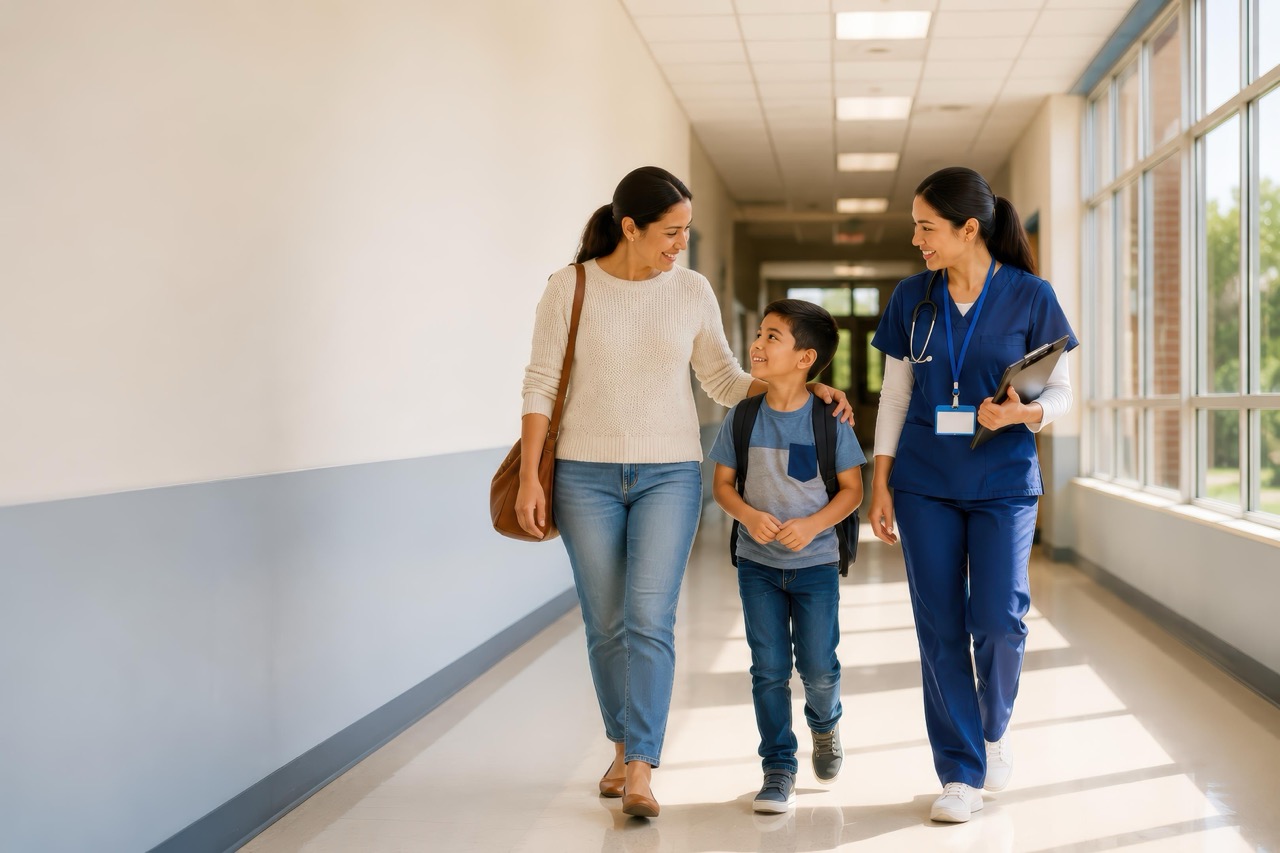
Whenever possible, arrange a meeting with the school nurse early in the school year. This gives you an opportunity to explain your child’s allergies, typical symptoms, and treatment needs once the initial back-to-school rush has settled.
Your child’s teacher should be included in the conversation, along with other staff members who regularly supervise your child. Depending on your child’s schedule, that could include cafeteria staff, coaches, bus drivers, after-school caregivers, or a program medical director.
Some helpful questions to ask include:
- Where will my child’s emergency medication be kept?
- Which staff members are trained to administer it?
- How will substitute teachers learn about my child’s allergies?
- What happens if symptoms begin during recess or physical education?
- Who carries the medication on field trips?
- How will I be contacted after an exposure or reaction?
- What allergy education programs are provided for school staff?
These conversations are not about expecting the worst. They are about making sure everyone feels prepared and can respond calmly if help is needed, especially since about 25% of reactions happen in undiagnosed students.
Make a Plan for Food Allergies at School
Managing food allergies can feel especially challenging when your child is eating away from home. Food may be served in the cafeteria, offered during classroom celebrations, used in school projects, or shared during after-school activities. Because about 1 in 12 U.S. children have a food allergy, school food procedures matter.
Talk with your child’s school about its food safety procedures, including:
- How cafeteria staff identify each food allergen relevant to your child
- How the school works to prevent cross-contact
- Whether cafeteria tables are cleaned between lunch periods
- How birthday treats and classroom parties are handled
- Whether safe snacks may be stored for your child
- Whether food is used in classroom lessons, crafts, or rewards
- How meals and snacks are handled on field trips
The most common food allergens include peanuts and tree nuts, so make sure the school knows your child’s specific triggers.
Teach your child not to share food, drinks, or utensils even with close friends. Younger children can practice saying, “I have a food allergy. I need to check with my teacher or parents before I eat this.” Ask whether children wash their hands with soap and water before and after eating.
Other parents and families can help create a safe educational environment by following classroom food policies, checking labels, and choosing non-food treats when possible. Ask whether educators share allergy-safety resources so everyone stays aware of student’s allergies and helps reduce food allergy emergencies.
Don’t Forget Seasonal Allergies and Asthma
Food allergies are not the only concern when children return to school. Central Texas pollen, mold, dust mites, animal dander, fragrances, cleaning products, and respiratory illnesses can all trigger allergy or asthma symptoms.
Seasonal allergies may cause:
- A runny nose
- Sneezing
- Nasal congestion
- Itchy or watery eyes
- Headaches
- Fatigue
Asthma symptoms may include coughing, wheezing, chest tightness, shortness of breath, or trouble keeping up during physical activity.
The long allergy seasons in Killeen and Temple can make it difficult to know whether a child has a cold or is reacting to pollen or another environmental allergen. Your Harker Heights Allergy provider can help identify likely triggers and recommend an appropriate prevention and treatment plan.
Parents can also monitor local pollen counts. On especially high-pollen days, some children may benefit from staying indoors during peak periods or keeping classroom windows closed.
Indoor allergy triggers deserve attention, too. Dust mites can collect in carpeting, upholstered furniture, pillows, and stuffed animals. Regular cleaning and reducing classroom clutter may help make play areas and learning spaces more comfortable for sensitive students.
The goal is not to keep your child from participating in school activities. It is to identify reasonable steps that can help protect them while allowing them to enjoy school life.
Help Your Child Speak Up
Even young children can begin learning how to take part in their own allergy care. The goal is not to make kids anxious, it’s to help them recognize when something is wrong and know whom to ask for help.
Depending on your child’s age, teach them to:
- Recognize their allergy or asthma symptoms
- Tell an adult immediately when they do not feel right
- Avoid sharing food, drinks, utensils, or medication
- Ask an adult to check food ingredients
- Know where their emergency medicine is kept
- Identify the adults who can help them
- Speak up if a situation does not feel safe
Try practicing a few school situations at home. Ask your child what they would do if a friend offered them a snack, if a substitute teacher did not know about their allergy, or if they began feeling sick during recess.
A little practice can make speaking up feel much easier when it matters.
Think Beyond the Classroom
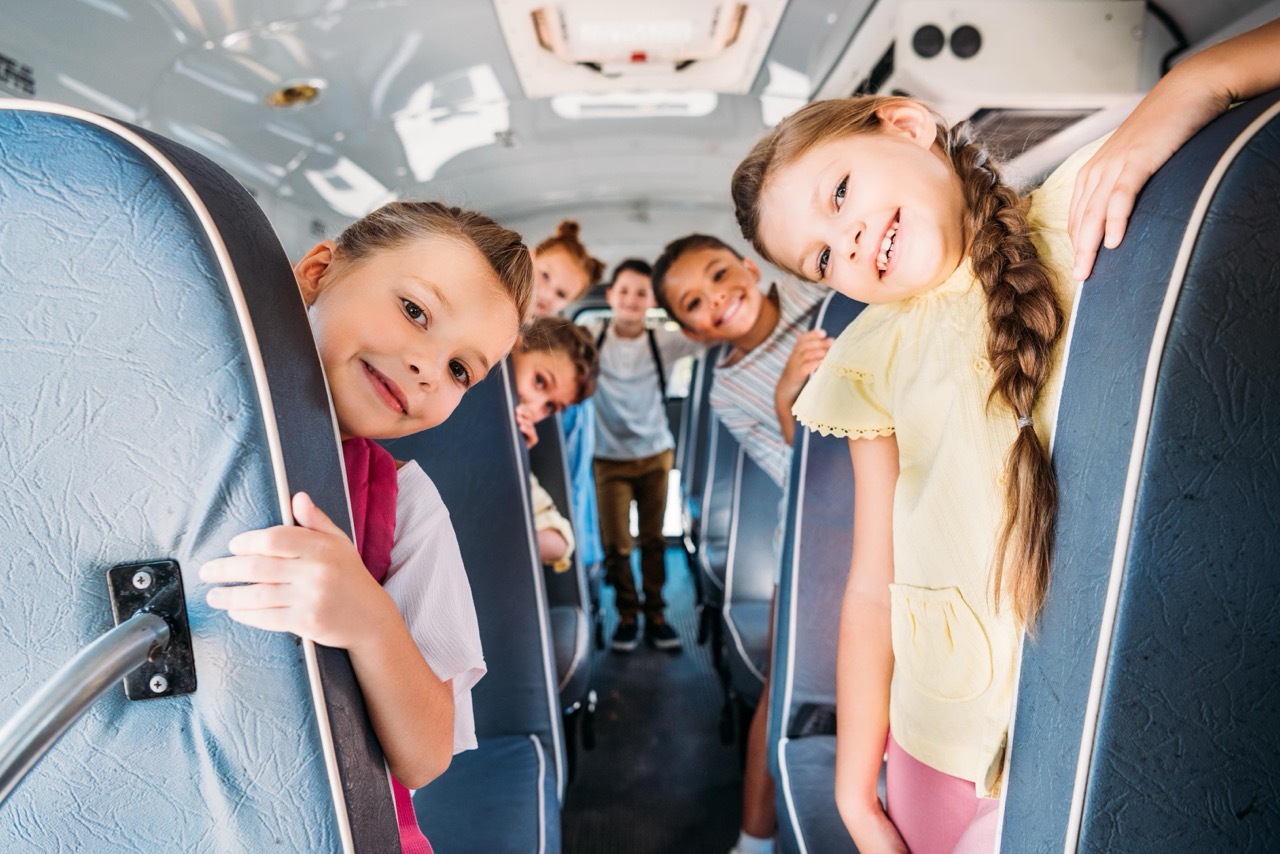
Your child’s allergy management plan should cover the entire school day, including:
- Bus transportation
- Cafeteria meals
- Recess
- Physical education
- Assemblies
- Sports and clubs
- After-school care
- Field trips
- Off-campus activities
Confirm which adult will carry your child’s medication and whether that person has been trained to recognize an allergic reaction. If food will be served, ask whether ingredient information will be available or if your child should bring a safe meal or snack.
Your Back-to-School Allergy Checklist
Whether school has just started or your family is still settling into a new routine, use this checklist to make sure your child is prepared.
| Done | Back-to-School Allergy Task |
| ☐ | Schedule an allergy checkup with your child’s allergist or healthcare provider. |
| ☐ | Update your child’s food allergy action plan. |
| ☐ | Update your child’s asthma action plan, if needed. |
| ☐ | Complete and submit all required school medical forms. |
| ☐ | Check the expiration dates on all epinephrine auto-injectors. |
| ☐ | Provide a rescue inhaler and spacer, if prescribed. |
| ☐ | Clearly label all medications with your child’s name. |
| ☐ | Supply safe snacks for classroom celebrations. |
| ☐ | Confirm that the school has your current emergency contact information. |
| ☐ | Review the allergy plan with the school nurse and teacher. |
| ☐ | Make a plan for the cafeteria, bus, sports, after-school activities, and field trips. |
| ☐ | Teach your child how to recognize symptoms and ask an adult for help. |
| ☐ | Provide medical identification, if recommended. |
Begin the School Year Feeling Prepared
Allergy planning works best when parents, students, teachers, nurses, cafeteria staff, and healthcare providers communicate with one another. When everyone understands a child’s allergies and knows how to respond, parents can worry a little less—and children can focus on learning, friendships, and everything else a new school year brings.
Remember to review your child’s plan throughout the year, particularly after a new diagnosis, medication change, allergic reaction, or change in symptoms.
Does your child need updated allergy testing, prescriptions, school forms, or a back-to-school treatment plan? Schedule an appointment with Harker Heights Allergy early in the school year. Our team is here to help your family start the year feeling informed, prepared, and supported.


