
January 24, 2026
Why Winter Allergies Still Affect Central Texas Residents

When winter arrives, many people expect allergy symptoms to ease up. Fewer blooms, cooler weather, and the end of summer allergies should mean relief — right?
For many Central Texas residents, that relief never comes.
If you’re dealing with a runny or stuffy nose, nasal congestion, itchy eyes, watery eyes, itchy skin, or trouble breathing during the colder months, you’re not imagining things. Winter allergies are common in Central Texas, and for some people, symptoms actually persist or worsen during winter allergy season.
Let’s take a closer look at why allergies in winter are so common, what triggers symptoms, and how to tell the difference between winter allergies and cold symptoms.
Winter Allergies vs. Colds: Key Differences
One of the biggest challenges during winter is figuring out whether symptoms are caused by allergies or viral infections.
Both can cause:
- Runny nose or stuffy nose
- Nasal congestion
- Sneezing
- Fatigue
- Trouble breathing
- Watery eyes
The key differences often come down to duration and pattern.
Cold symptoms and other viral infections typically resolve within one to two weeks and may include fever or body aches. Allergic symptoms, however, tend to linger, fluctuate with exposure, and return repeatedly — especially indoors.
If symptoms persist without fever and seem to worsen in certain environments, likely allergies — not a lingering cold — are the cause.
Why Winter Allergies Persist in Central Texas
Unlike colder regions, Central Texas winters don’t eliminate allergens. In fact, several factors combine to make allergies in the winter especially common.
Time Indoors Increases Exposure to Indoor Allergens
During cold weather, people naturally spend more time indoors. While that keeps you warm, it also increases exposure to common indoor allergens.
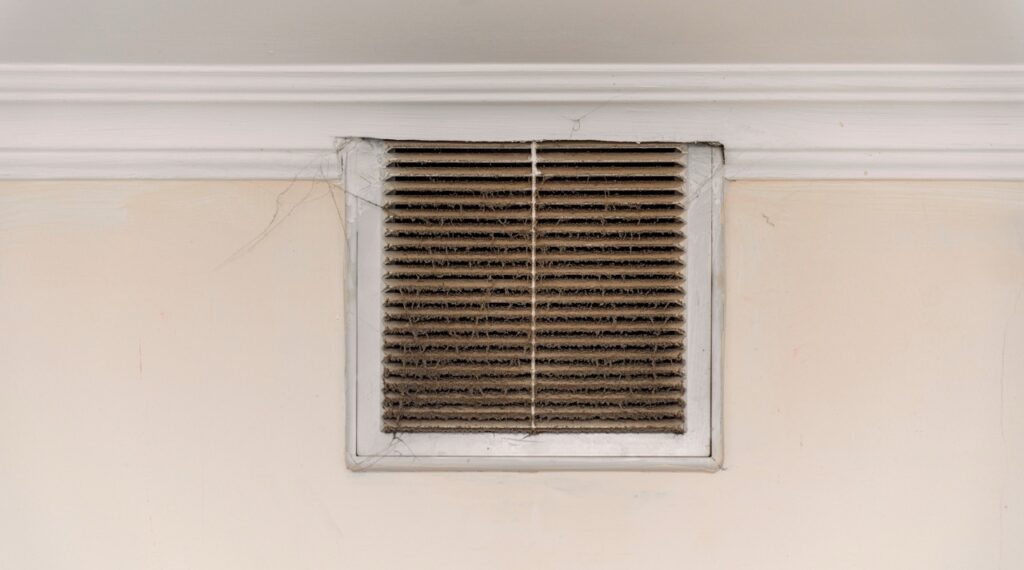
The most common indoor allergens include:
- Dust mites, which feed on dead skin cells and skin cells found in bedding and upholstery
- Pet dander and animal dander, common triggers for pet allergies
- Indoor mold, especially in damp areas
- Cockroach droppings
Because homes are closed up during winter months, allergens circulate more easily through indoor air, triggering allergic reactions and causing symptoms to persist.
Dust Mites Thrive During Winter
Dust mites are one of the most common indoor allergens and a major cause of perennial allergies.
They thrive in warm, humid environments and are commonly found in:
- Mattresses and pillows
- Blankets and bedding
- Carpets and upholstered furniture
Dust mites feed on dead skin cells and thrive when dust becomes trapped indoors. This ongoing exposure often leads to itchy nose, stuffy nose, nasal congestion, and itchy or watery eyes.
Washing bedding in hot water and using allergen-proof covers can help reduce exposure.
Mold Growth Continues During the Colder Months
Many people assume mold disappears in winter, but mold growth remains a major issue in Central Texas.
Indoor mold thrives in areas with:
- Too much moisture
- Poor ventilation
- Bathrooms and kitchens
- HVAC and heating systems
Mold spores float easily through indoor air and can trigger allergic symptoms such as nasal congestion, sinus pressure, difficulty breathing, and itchy skin.
Humidity control is an important step in reducing indoor mold exposure.
Outdoor Allergens Don’t Fully Disappear
Even though summer allergies fade, outdoor allergens remain active in winter.
Environmental allergies can continue due to:
- Mold spores outdoors
- Ongoing allergen exposure
- Seasonal shifts that never fully stop
This means allergy season doesn’t truly end — it simply changes.
Common Winter Allergy Symptoms

Winter allergy symptoms can vary, but often include:
- Runny or stuffy nose
- Nasal congestion and irritated nasal passages
- Itchy eyes or watery eyes
- Itchy nose or skin
- Sinus pressure
- Trouble breathing
If symptoms persist for weeks, fluctuate with exposure, or worsen indoors, allergies are often the cause.
Why Allergies Can Feel Worse in Winter
It seems counterintuitive, but allergies tend to feel worse during winter allergy season.
Contributing factors include:
- Increased time indoors
- Poor indoor air quality
- Heating systems circulating allergens
- Reduced ventilation
- Ongoing exposure to indoor allergens
Unlike cold symptoms, allergic symptoms remain present as long as triggers are nearby.
Improving Indoor Air Quality During Winter
Improving indoor air quality is one of the most effective ways to reduce winter allergy symptoms.
Helpful steps include:
- Using air purifiers to trap dust and allergens
- Replacing HVAC filters regularly
- Maintaining proper humidity control
- Washing bedding in hot water
- Cleaning visible indoor mold promptly
These steps can help reduce allergen exposure, but may not fully relieve symptoms if allergies are significant.
Treating Winter Allergies Effectively
If symptoms don’t improve with over-the-counter remedies, it may be time to explore additional allergy treatments.

Options may include:
- Allergy medicine and OTC medications
- Nasal sprays to relieve nasal congestion
- Personalized treatment plans
- Allergy shots to help retrain the immune system
An allergist can help identify specific allergens, pinpoint specific triggers, and determine the most effective way to treat winter allergies.
Understanding Winter Allergies in Central Texas
If your allergy symptoms don’t disappear once winter arrives, you’re not alone.
Between dust mites, indoor mold, pet dander, and ongoing outdoor allergens, winter allergies are common in Central Texas and often go undiagnosed.
With proper evaluation and treatment, allergies can be managed effectively — even during the colder months.
If symptoms are lingering, worsening, or interfering with daily life, it may be time to look beyond cold weather assumptions and get answers.


